



Tabarca: A Living Island Between History and the Sea.
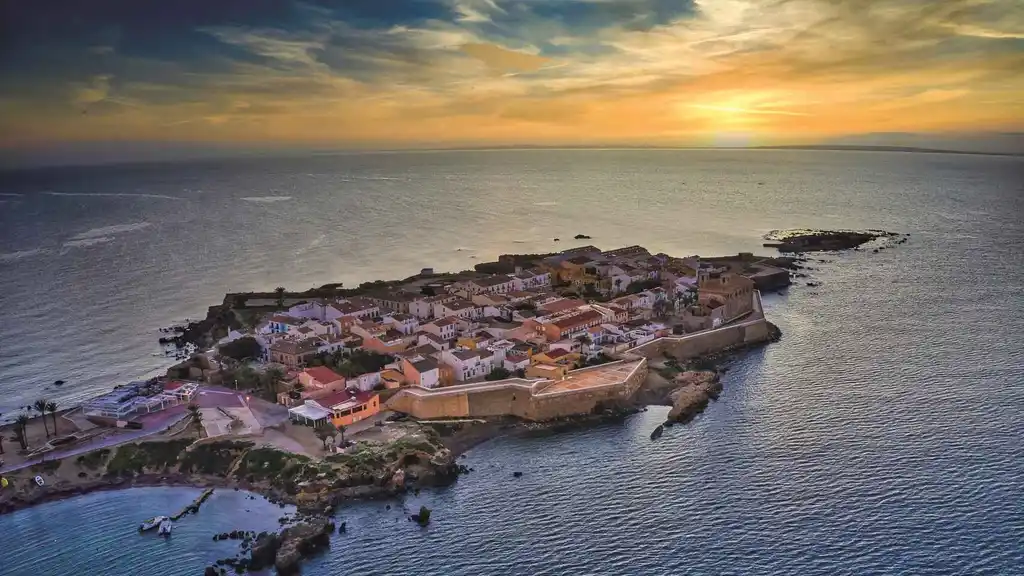
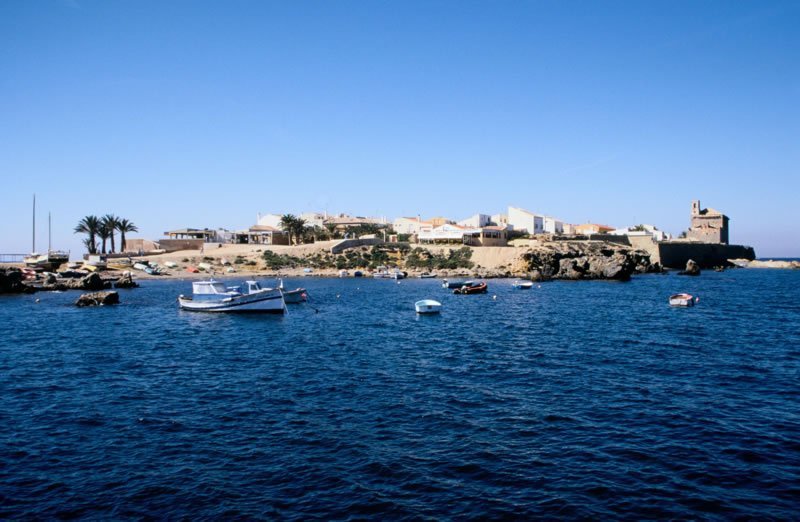
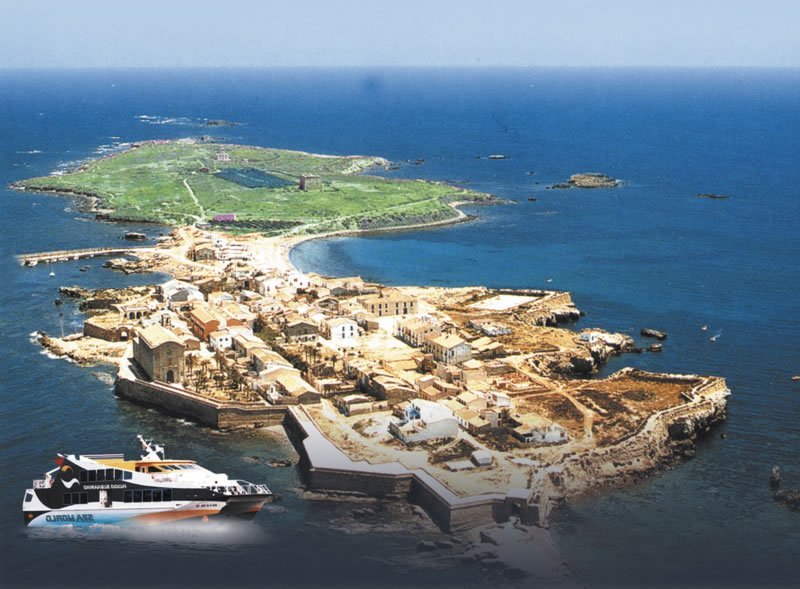
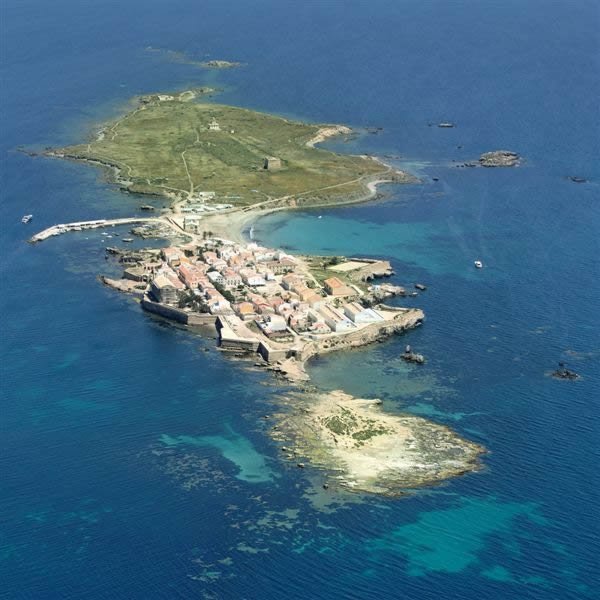
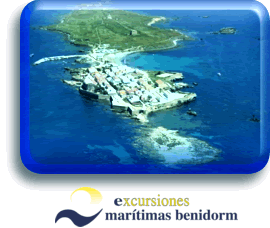
Just off the coast of Alicante, some eleven nautical miles from Cape Santa Pola, lies the island of Tabarca—the only inhabited island in the Valencian Community. Small in size but vast in character, Tabarca offers a rare combination of layered history, crystalline waters, and a sense of quiet isolation that continues to draw thousands of visitors each year.
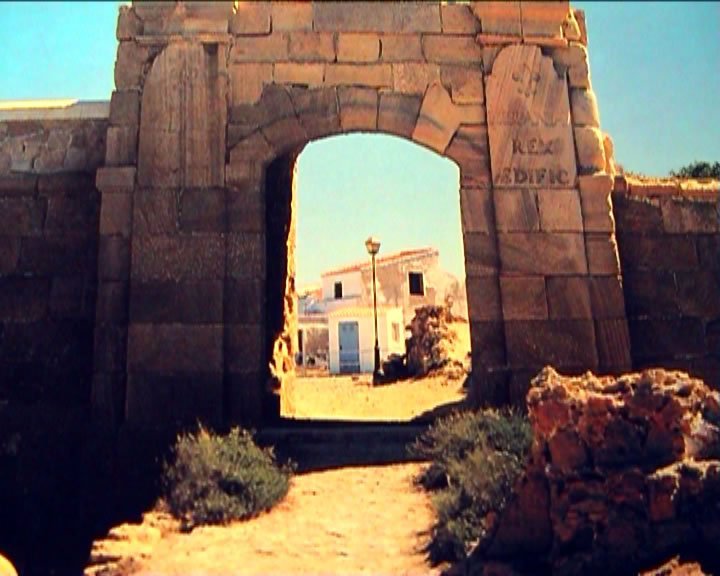
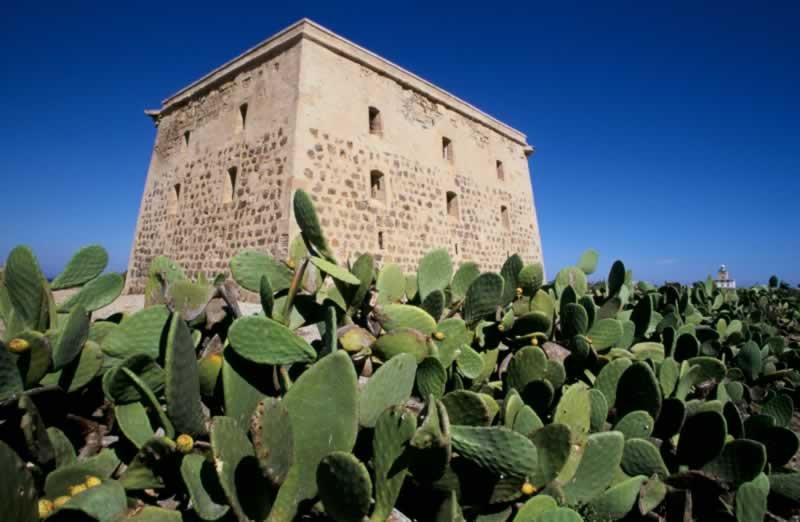
Once a refuge for Barbary pirates, the island’s fate shifted dramatically in the 18th century under the reign of King Charles III. Seeking both strategic control and humanitarian purpose, he ordered the fortification of the island and the construction of a village. Its new inhabitants were Genoese fishing families who had previously been held captive in the Tunisian city of Tabarka—hence the island’s name. Today, the fortified walls surrounding the urban core stand as a declared Historic-Artistic Site and Cultural Heritage Asset, preserving the memory of that transformation.
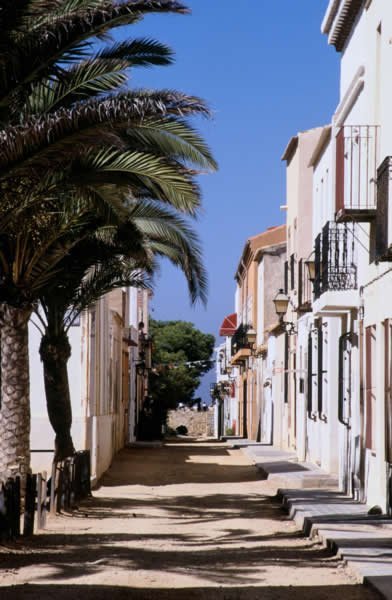
Despite its historical significance, Tabarca remains strikingly modest in scale. It is home to only around ten permanent residents, yet its narrow streets, open coves, and transparent waters create an enduring appeal. Visitors come not only to swim and sunbathe, but to wander—a slow exploration of a place where time feels suspended.
Excursions to Tabarca operate weekly, departing every Wednesday from Albir and Benidorm. The full-day experience lasts approximately eight hours.
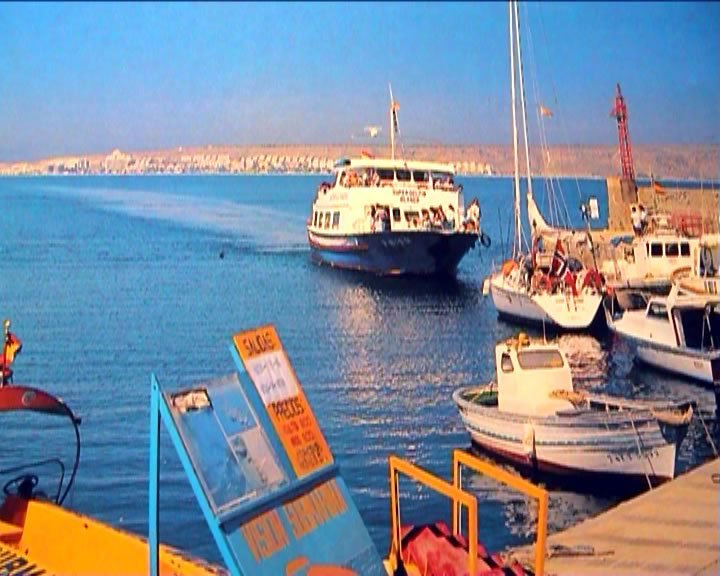
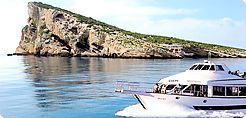
The journey begins with a southbound coach trip along the Mediterranean motorway, passing Alicante-Elche Airport en route to the port of Santa Pola. From there, passengers board a TRANSABARCA vessel for a 25-minute sea crossing to the island. Accompanied by an English- and Spanish-speaking representative, the excursion is structured yet leaves room for personal discovery.
Upon arrival, visitors are given around three hours of free time. This allows for a flexible experience: relaxing on one of the island’s beaches or secluded coves, enjoying a meal at a local restaurant, or simply walking through the historic settlement. There is also a small museum—free to enter—which provides further insight into the island’s past. Beyond the inhabited area lies the quieter, uninhabited side of the island, where the landscape opens up and the sense of remoteness becomes more pronounced.
During the summer months, the island can become crowded, particularly around dining areas, so a degree of planning is advisable. The terrain, while beautiful, remains largely natural, which may present challenges for those with limited mobility. Practical preparation is recommended: sunscreen, swimwear, a towel, beach shoes (preferably not flip-flops), and a camera to capture the clarity of the sea and the texture of the island.
The excursion includes transport in an air-conditioned coach, return ferry tickets, and the assistance of a tour host, with pick-up and drop-off at designated meeting points. Lunch is not included, allowing visitors the freedom to choose how and where to dine.
By early evening, around 18:30, you should be back in Benidorm to mark the end of a day that is as much about atmosphere as it is about destination.
Tabarca is not a place of spectacle in the conventional sense; rather, it is an island of quiet narratives—where history, geography, and daily life intersect in a uniquely Mediterranean way.